

Blog
The Smart Fan Revolution: A Complete Guide to Ceiling Fans — Focus on Atomberg BLDC Models


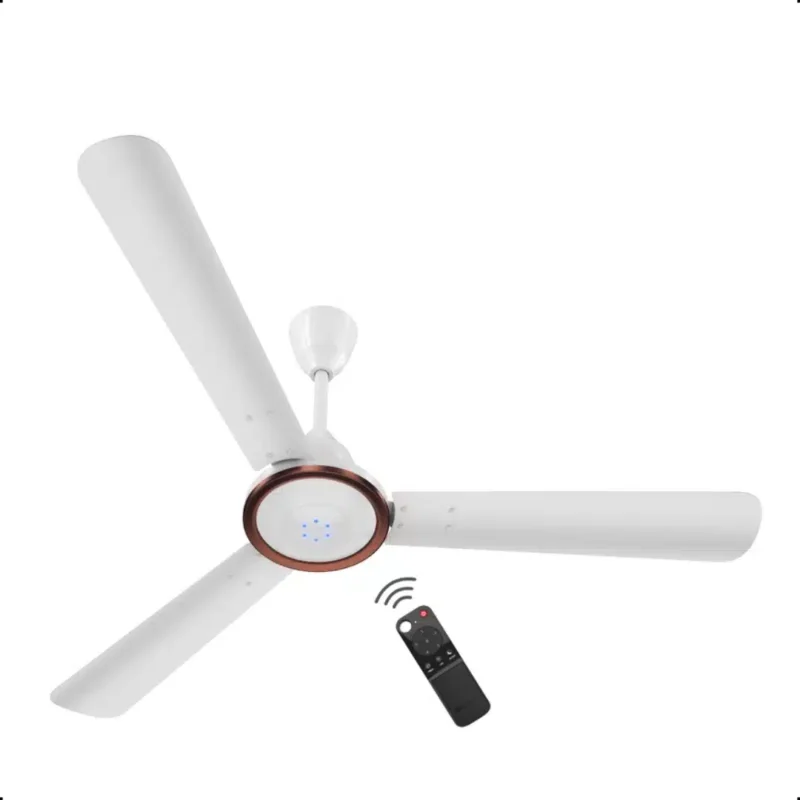
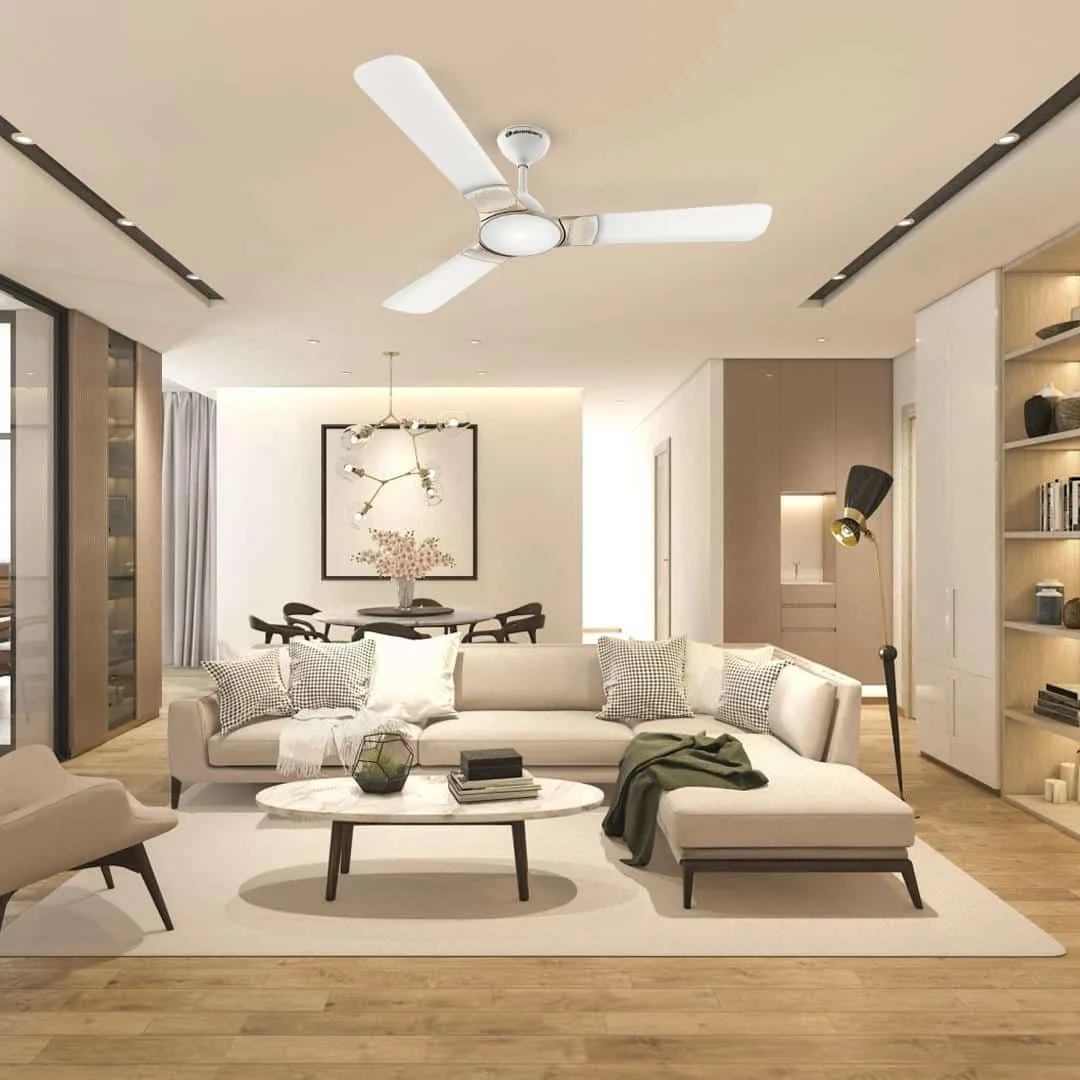
Atomberg BLDC Ceiling Fans Guide: Smart Fan Revolution Ceiling fans are one of the most ubiquitous and cost-effective comfort appliances in homes across the world. Among the brands leading this change in India, Atomberg stands out for combining real energy savings, smart features, and attractive design.
Contents
- What is a BLDC fan & why it’s the future
- Atomberg at a glance — brand strengths
- Model-by-model: what each Atomberg fan offers
- How to choose the right fan size, speed & features
- Installation, wiring & safety tips
- Energy savings — real numbers and calculations
- Smart features & IoT: how useful are they?
- Noise, airflow & performance: what to expect
- Maintenance & longevity tips
- Troubleshooting common issues
- Where to buy, warranties & after-sales considerations
- FAQs
- Conclusion — which Atomberg fan might be best for you
1. Why ceiling fans still matter
Fans circulate air, create a wind-chill effect, and maintain comfort at a tiny fraction of the power. Key reasons fans remain essential:
- A modern BLDC fan can run on 20–30 W in low mode and 25–30 W at mid speeds, versus 60–120 W for older AC-type motors (and ~1000–2000 W for ACs).
- Affordability: Lower purchase and running costs.
- Environmental impact: Lower carbon footprint.
2. What is a BLDC fan & why it’s the future
BLDC = Brushless Direct Current. Unlike conventional induction motors used in older fans, BLDC motors use electronic commutation rather than brushes and mechanical commutators. Practical outcomes:
- Much higher efficiency: BLDC motors consume significantly less power for the same airflow (often 50–70% lower energy use compared to conventional motors).
- Longer life: Fewer moving electrical contacts, less wear & tear.
- Quieter operation: Smoother torque delivery, less vibration.
- Precise speed control: Electronic controllers allow many speed steps and better low-speed operation.
- Compact & lighter: Easier to design modern blades and housings.
- Smart features are friendly: Integration with remotes, timers, sensors, and IoT is easier.
In short, BLDC fans are more energy-efficient, durable, and feature-rich — ideal for modern homes and cost-conscious consumers.
3. Atomberg at a glance — brand strengths
Atomberg BLDC Ceiling Fans Guide: Smart Fan Revolution Atomberg is an Indian brand built around BLDC technology and energy efficiency. Their strengths include:
- BLDC specialization: Atomberg made BLDC affordability a core promise — fans that save energy but remain budget-friendly.
- Smart integrations: Many models include remote control, battery backup, speed memory, sleep timers, and IoT compatibility.
- Attractive designs: Contemporary blade styles and finishes to match modern interiors.
- Verified savings: Atomberg often publishes comparative energy savings vs conventional fans.
- After-sales & warranty: Standard warranties on motor and controller; many users report a helpful service network.
Atomberg’s product portfolio targets different needs: economy, design, smart/home automation, and lighting integration.
4. Model-by-model: Atomberg fans you listed (what they bring)
Below is a consumer-friendly breakdown of the models you mentioned. For each, I describe the likely benefits and typical use case — useful when choosing a model for a room.
Note: exact specs can vary by variant/year; check product page for precise numbers (blade sweep, RPM, power, warranty, light output).
- Positioning: Modern mid-range smart fan.
- Highlights: Contoured blades for efficient airflow, remote control, BLDC motor for energy savings, sleep timer, and speed memory.
- Best for: Bedrooms and small living rooms where quiet operation and efficiency matter.
Atomberg Renesa Halo Smart BLDC Ceiling Fan
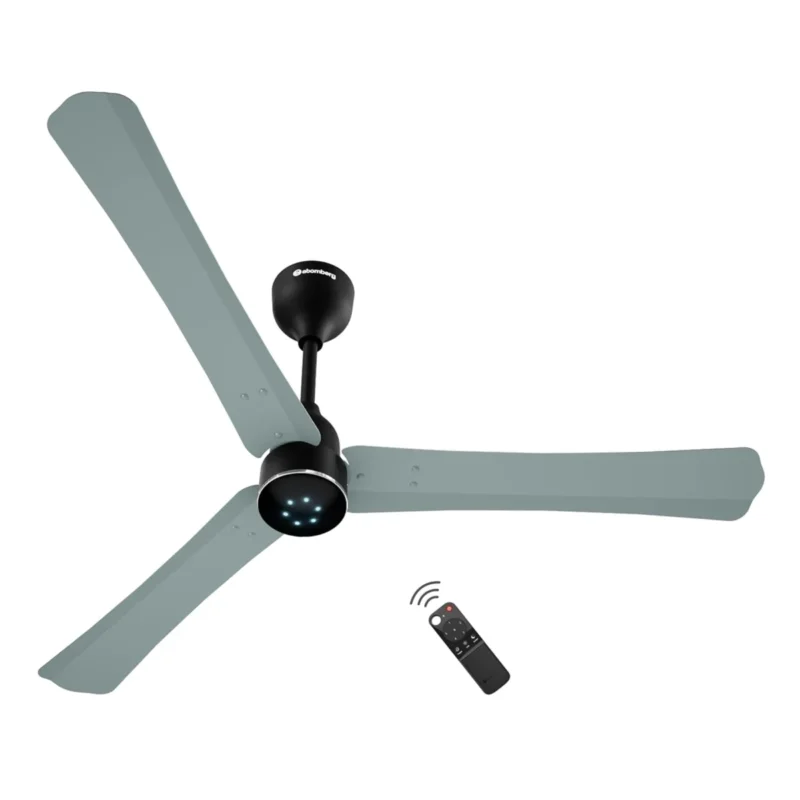
- Positioning: Design + integrated lighting (Halo).
- Highlights: Halo LED light ring or integrated moonbeam-like illumination, smart control, energy-efficient BLDC motor.
- Best for: Multipurpose rooms requiring both ambient lighting and efficient cooling — e.g., bedroom + study.
- Positioning: Solid all-rounder with effective airflow.
- Highlights: 1200 mm sweep suited for compact to mid rooms, smooth remote control, sleep modes, and low power draw.
- Best for: Small living rooms, kitchens, or covered balconies.
Atomberg Renesa Elite 1200 mm BLDC Ceiling Fan
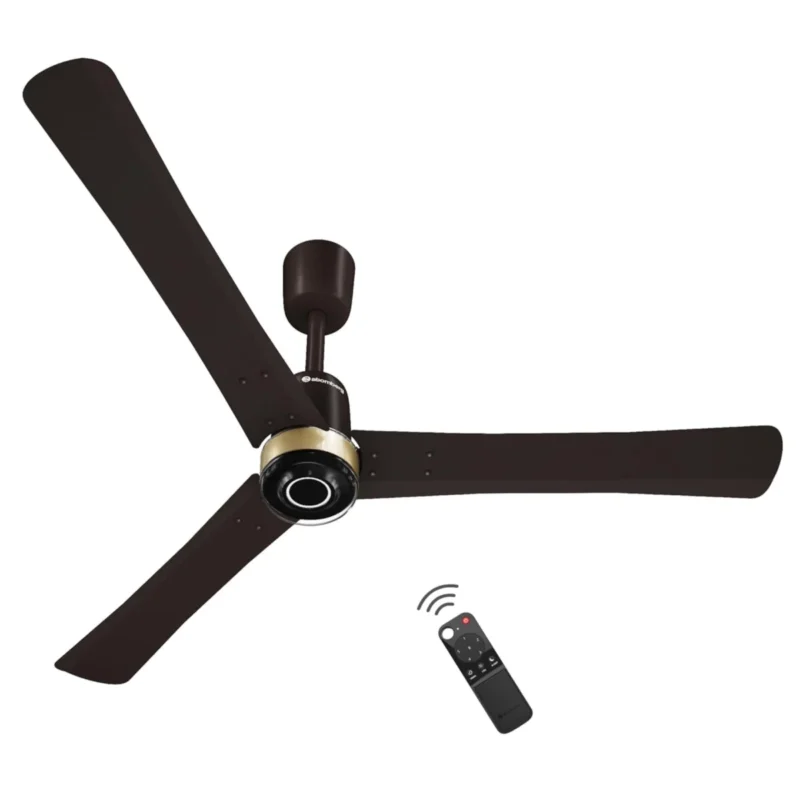
- Positioning: Aesthetic premium variant of the Renesa line.
- Highlights: Sleek blade design, refined canopy, BLDC efficiency, advanced remote functions.
- Best for: Contemporary interiors where looks and quiet performance are priorities.
- Positioning: Feature-rich Renesa variant.
- Highlights: LED indicators for speeds, remote control, enhanced energy profile, and possibly minor cosmetic upgrades.
- Best for: Buyers wanting visual feedback and the convenience of speed indicators.
- Positioning: High-end smart fan for connected homes.
- Highlights: Moonbeam light (diffused ambient LED), app/IoT control for voice assistants, scheduling, remote, and grouping multiple fans.
- Best for: Smart home enthusiasts and high-end living rooms or studio spaces where design + connectivity matter.
- Positioning: Compact, efficient design, likely focused on bedrooms/powder rooms.
- Highlights: Quiet operation, remote/timer, attractive blade profile, strong low-speed airflow.
- Best for: Bedrooms where silent, gentle airflow is required.
5. How to choose the right fan size, speed & features
Choosing the right fan basically depends on room size, ceiling height, and intended use.
Blade sweep (diameter) — general guide
- ≤ 900–1000 mm: Small rooms, bathrooms, narrow balconies.
- 1000–1200 mm: Bedrooms, small living rooms (common for 1200 mm Atomberg models).
- 1200–1400 mm: Medium living rooms, offices.
- 1400–1600+ mm: Large halls or high-ceiling living rooms.
The models you listed are mostly 1200 mm — ideal for bedrooms, smaller living spaces, and compact common rooms.
Ceiling height
- Ceiling fans should be installed with a minimum 7 feet (2.1 m) clearance from the hanging fan to the floor (preferably 8–9 ft for optimal airflow).
- Use extension rods for high ceilings; flush mounts for low ceilings (≤ 8 ft).
Air Delivery (CFM) & Speed
- CFM (Cubic Feet per Minute) indicates airflow. Higher CFM = stronger air circulation.
- For bedrooms, CFM ~ 2500–3500 is sufficient; living rooms may need 4000–6000+, depending on size.
- BLDC fans often produce good airflow at lower power due to optimized blade design.
Key features to prioritize
- BLDC motor — for energy saving and longevity.
- Remote control — standard convenience.
- Timer / Sleep modes — for energy saving overnight.
- IoT/App control & voice control — if you want smart home integration.
- LED indicators or integrated lighting — extra utility.
- Battery backup — useful during power cuts (some Atomberg models offer this).
- Anti-dust blades — easy to clean, less dust retention.
6. Installation, wiring & safety tips
A proper installation is crucial for performance, noise control, and safety.
Pre-installation checklist
- Ceiling strength: Must support 3–6x the fan’s weight (anchors and brackets are important).
- Proper electrical point: Dedicated switch (if not using remote speed control via regulator).
- Wiring capacity: Use the correct wire gauge (generally 1.5 mm² copper for fan circuits).
- Earthing: Ensure earthing for safety.
Mounting tips
- Center of the room: Mount the fan at the center for optimal circulation.
- Downrod selection: Choose based on ceiling height. Longer rods for higher ceilings.
- Tighten screws: Ensure all mounting hardware and canopy screws are secure to avoid wobble.
- Professional installer: Always recommend a certified electrician or service technician.
Safety
- Turn off the power at the breaker before installing or servicing.
- Maintain proper clearance from lights and obstructions.
- Replace damaged blades immediately.
7. Energy savings — real numbers and calculations
One of Atomberg’s biggest selling points is energy savings from BLDC motors. Here’s a simple way to calculate savings:
Example comparison
- Conventional fan: ~70–75 W at high speed.
- Atomberg BLDC fan: ~30–35 W at similar perceived cooling.
- Daily usage: 10 hours
- Electricity rate: ₹8 per kWh (example)
Conventional fan energy per day: 75 W × 10 h = 0.75 kWh → ₹6.0/day
BLDC fan energy per day: 35 W × 10 h = 0.35 kWh → ₹2.8/day
Savings per day: ₹3.2 → per month (~30 days): ₹96 → per year: ~₹1,152
Atomberg claims 50–70% savings vs induction motor fans — results vary by model and usage.
8. Smart features & IoT: how useful are they?
Typical smart features
- App control & scheduling: Switch on/off remotely, set schedules.
- Group control: Control multiple fans at once.
- Voice control: Via Alexa/Google Home.
- Timer & sleep modes: Auto turn off after preset time.
- Power monitoring: Some smart setups show energy use.
Practical value
- Energy control: Scheduling reduces wasted runtime.
- Grouping & scenes: Create “arrive home” or “sleep” scenes.
- Voice control: Nice but not essential.
If you already run a smart home, an IoT fan (e.g., Atomberg Studio Nexus) fits naturally. For others, remote + timer + memory functions add the most practical value.
9. Noise, airflow & performance: what to expect
Atomberg BLDC fans are known for quiet operation and consistent airflow. A few pointers:
Noise levels
- BLDC fans = low mechanical noise; expect quiet hum at most.
- Proper balancing and secure installation reduce whine or wobble.
- Low speeds are virtually silent in quality BLDC fans.
Airflow characteristics
- BLDC motor + aerodynamic blades => strong breeze with lower wattage.
- Blade pitch, sweep, and hub design affect CFM. Atomberg optimizes these for small/medium rooms.
- If you need stronger air for large rooms, choose a larger sweep or high-CFM model.
Performance reliability
- BLDC motors typically maintain performance over longer periods.
- Check for manufacturer torque & RPM specs for best comparisons.
10. Maintenance & longevity tips
Ceiling fans are low-maintenance appliances — but a few simple habits prolong life and performance.
Monthly tasks
- Dust blades with a microfiber cloth.
- Wipe the canopy and motor housing.
- Check blade screws and tighten if necessary.
Quarterly tasks
- Deep clean blades (damp cloth, mild soap).
- Inspect wiring for discoloration or looseness.
- Check the remote battery and replace if dimming.
Yearly tasks
- Lubricate bearings only if the manufacturer recommends (many BLDC motors are sealed).
- Have installation and electrical connections inspected.
Typical lifespan
- BLDC fans can last 8–15+ years with good maintenance; motor and controller quality matter.
11. Troubleshooting common issues
Wobble/vibration
- Ensure blades are balanced and screws are tight.
- Check canopy alignment and downrod fit.
- Replace any warped blade.
Fan not starting / intermittent operation
- Check the remote battery or the wall switch.
- Ensure proper power supply and check the MCB.
- If the motor hums but does not start, contact service (electrical/drive issues).
Noise at certain speeds
- It could be due to a mounting bracket, loose screws, or imbalanced blades. Inspect closely.
Remote not working
- Replace the battery.
- Re-pair/ re-sync the remote with the fan according to the manual.
For anything beyond basic fixes, always use authorized service to avoid warranty voiding.
12. Where to buy, warranties & after-sales considerations
Where to buy
- Authorized brand dealers, e-commerce (official store), StudioOnyx (recommended if you prefer a curated selection and local support).
- Buy from authorized channels to get a valid warranty and genuine parts.
Warranty
- Typical Atomberg warranty: motor warranty (2–5 years depending on model), extended controller warranty for some lines. Confirm at purchase.
- Keep the invoice and the warranty card.
Aftersales & spares
- Check the availability of spare remote, downrod, and blades.
- Service network quality varies by region — check local reviews.
13. Frequently Asked Questions (FAQs)
Q: Are BLDC fans actually quieter than conventional fans?
A: Yes — BLDC fans are usually quieter due to smoother torque and no brushes. Proper installation further reduces noise.
Q: Will a BLDC fan cool as well as a conventional fan?
A: Yes. At similar air delivery, BLDC fans use much less power. Blade design matters for perceived cooling.
Q: Can I retrofit a conventional fan with a BLDC motor?
A: Not easily — BLDC motors and controllers are designed integrally. Replace the whole fan for guaranteed performance.
Q: Do smart fans need Wi-Fi?
A: IoT fans use Wi-Fi or hub-based connectivity. Some smart features work offline (remote and timers); IoT adds a remote app and voice control.
Q: Are integrated lights in fan models bright enough to use as primary lighting?
A: Depends on lumen rating. Moonbeam or halo lights are often ambient; they may supplement but not replace dedicated ceiling lights.
Q: How much energy does a BLDC fan save?
A: Savings range 30–70% vs older induction motor fans, depending on usage, fan, and speed settings.
14. Conclusion — which Atomberg fan might be best for you?
Atomberg offers a well-rounded product line-up, and most of the models you listed are excellent for typical Indian home needs. Quick recommendations:
- Bedroom (quiet, efficient): Aris Contour Smart or Erica — quiet, low power, good sleep modes.
- Living room / Multi-use (lighting + cooling): Renesa Halo or Renesa Elite/Prime — integrated light & refined look.
- Smart homes / connected living: Studio Nexus — IoT, app control, moonbeam light.
- All-round compact: Ameza 1200 — solid performer with remote.
If energy efficiency, quiet operation, and modern features are priorities, BLDC fans like Atomberg’s are hard to beat. Combine the right fan sweep (1200 mm for bedrooms/small living rooms) with correct installation, and you have a solution that is stylish, comfortable, and cost-effective for years.




 Cooking Appliances
 Kitchen Hobs
 Kitchen Chimneys
 Kitchen Oven
 Dishwashers
 Kitchen Sink
 Water Heating